Bibliography & citations
Studying the literature is the foundation of every successful paper. We guide you to find reliable academic sources, evaluate them and cite them correctly according to international referencing standards (APA, Harvard, Vancouver), without plagiarism.
Reliable sources
Sources should come from reputable universities, scientific journals, international organisations or established publishers. Avoid opinion pieces, anonymous blogs and outdated notes — a quality paper rests on current, well-documented sources.
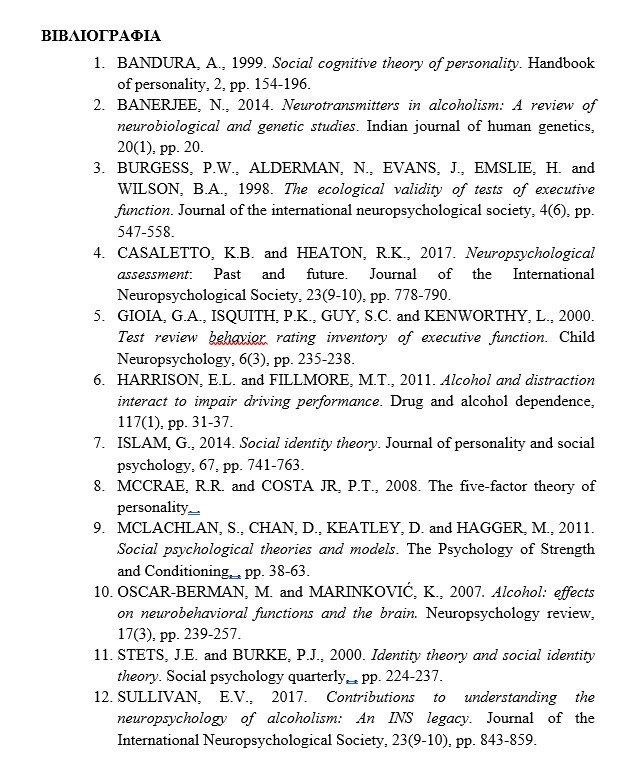
Types of sources
- Primary: original research articles, statistics, interviews, experimental results.
- Secondary: analyses, books and studies that interpret primary data.
- Tertiary: encyclopaedias, dictionaries and databases that summarise multiple sources.
A well-rounded paper combines all three types in a balanced way, with an emphasis on primary sources.
Recency of sources
Ideally, sources are within the last 10 years, so you avoid outdated information. Older references are justified for historical or theoretical context, but a modern paper shows awareness of the current scientific discussion.
Number of sources
- Semester papers: 8–15 valid sources.
- Thesis / dissertation: 30–50 references.
Quality and relevance matter more than quantity.
Citation systems
- APA — mainly in the social sciences.
- Harvard — flexible, with in-text citations.
- Vancouver — medicine and sciences, with numbered references.
Consistency in the system you choose shows professionalism and academic respect.
Guidance from Education Project
We show you how to search academic databases (Google Scholar, JSTOR, ResearchGate), organise your bibliography with automation tools and integrate citations correctly, avoiding plagiarism.
Need help with your sources?
We help you find, evaluate and organise reliable sources for your paper.
← Back to resources