Thesis & dissertation: the writing guide
Every academic paper — and especially the thesis and dissertation — follows a specific, internationally established structure. In this guide you’ll see step by step what each section includes, from the cover page and abstract to the methodology, results and bibliography — and how to organise it correctly.

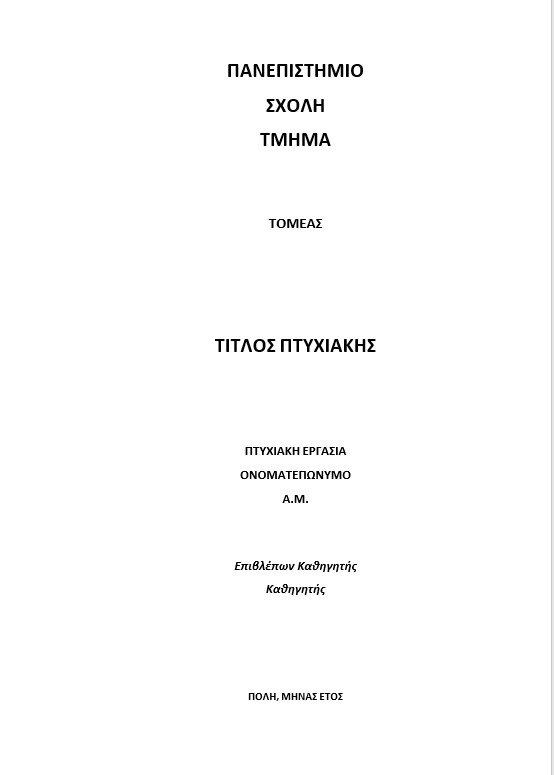
Cover page
The cover page must contain specific information:
- Institution name & logo
- Faculty, department and field / specialisation
- Thesis title
- Student details (full name, student ID)
- Supervising professors
- City and date
Abstract
The abstract helps the reader understand whether the content interests them. It includes the most important information in the paper — from the introduction through to the conclusions.
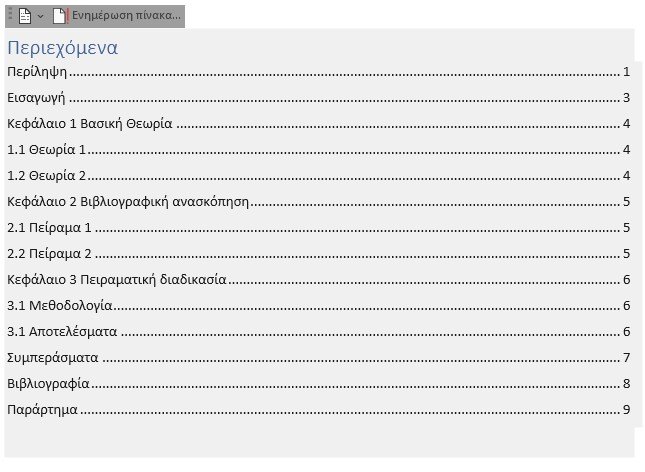
Table of contents
Use an automatic table of contents, so that corrections and page updates happen with one click.
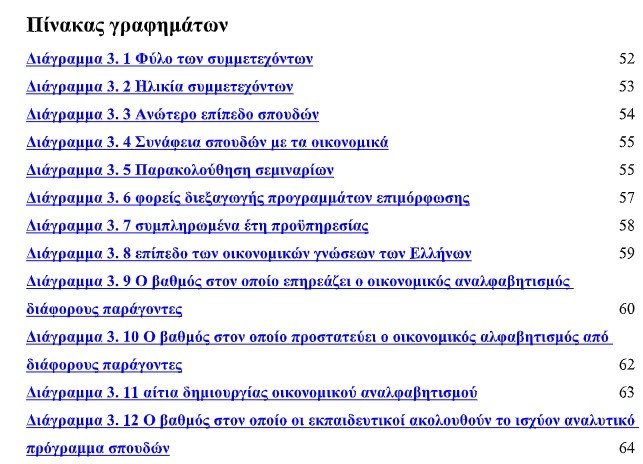
Tables & figures
Automatically number all tables, figures and diagrams with captions — this also auto-generates indexes (e.g. a list of figures).
Preface
The preface explains the reasons and means by which the thesis was produced and describes the lab or research group where it was carried out.
Introduction
The first section of the thesis: background, key concepts and the research questions that will be answered.
Main body
It is divided into a theoretical and (if there is one) a research part, and further into chapters. In the theoretical framework you present all the core theory; the literature review plays a decisive role in quality. If there is research, the methodology is analysed first and then the results.
Conclusions / summary
If the thesis does not include research, a summary and some final thoughts are enough; otherwise, analysis and drawing conclusions are required.
References
It includes all — and only — the sources that were used, with a specific citation system depending on the institution’s requirements (APA, Harvard, etc.).
Appendices
After the bibliography, material that was used or developed as part of the work is placed (questionnaires, code, etc.).
Formatting
The most common formatting is Times New Roman font, size 12, 1.5 line spacing on A4. Each institution provides its own detailed guide.
Want help with your thesis?
Our team guides you at every step — structure, bibliography, methodology and formatting.
← Back to resources